
Choosing the right timber
Timber makes half a piece of furniture: its colour, its strength, the way it ages. Here are the four species we work with most, and what they change for your project.
Four timbers, four characters
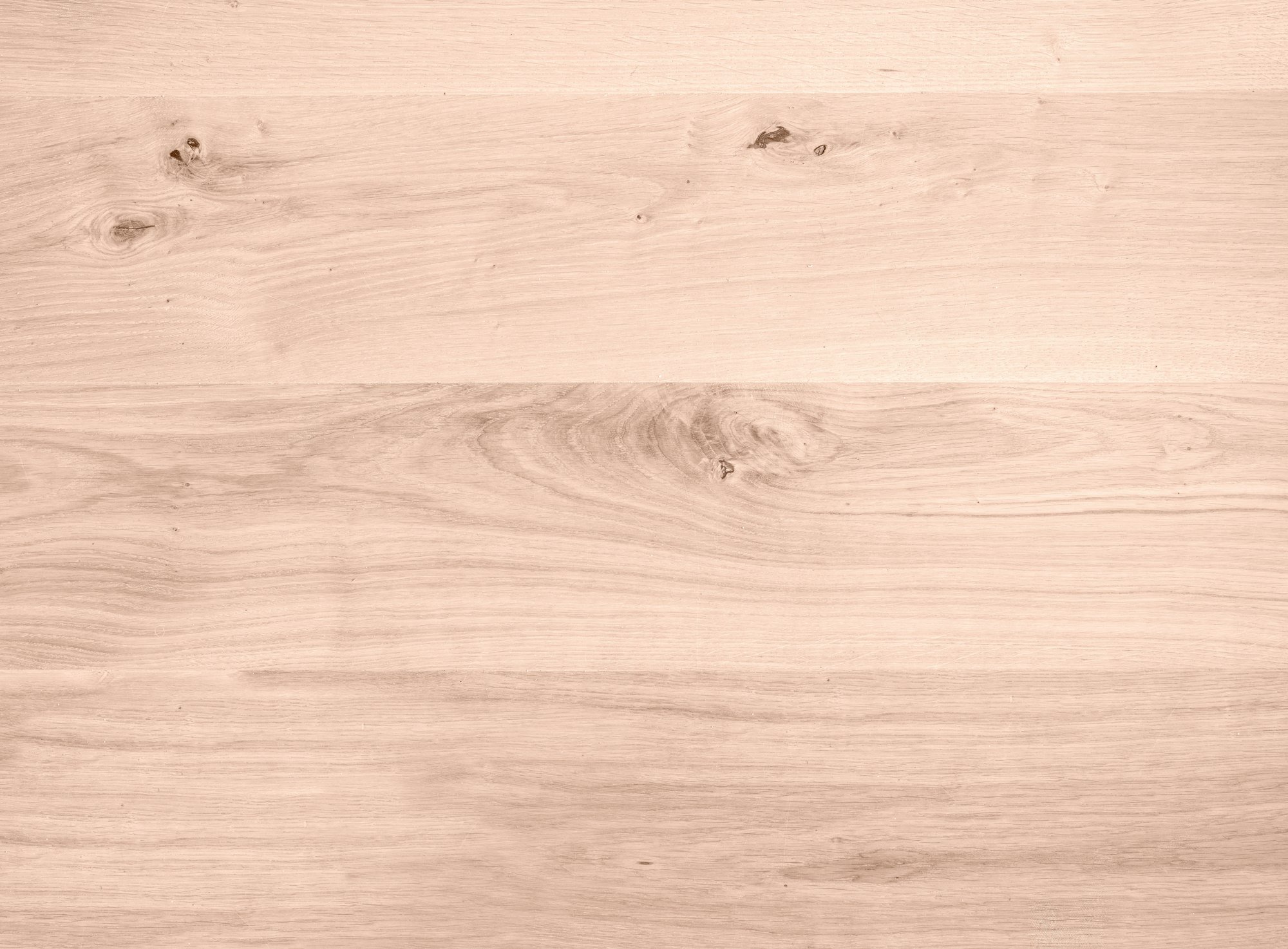
Oak, the safe choice
Hard, stable and warm, oak suits almost everything: kitchens, staircases, floors, windows. Its strong grain and rays show under a simple oil, and it darkens gently over the years.
- Colour: pale blond, mellowing to honey
- Best for: staircases, kitchens, windows, bookcases
- Care: a coat of oil every two or three years
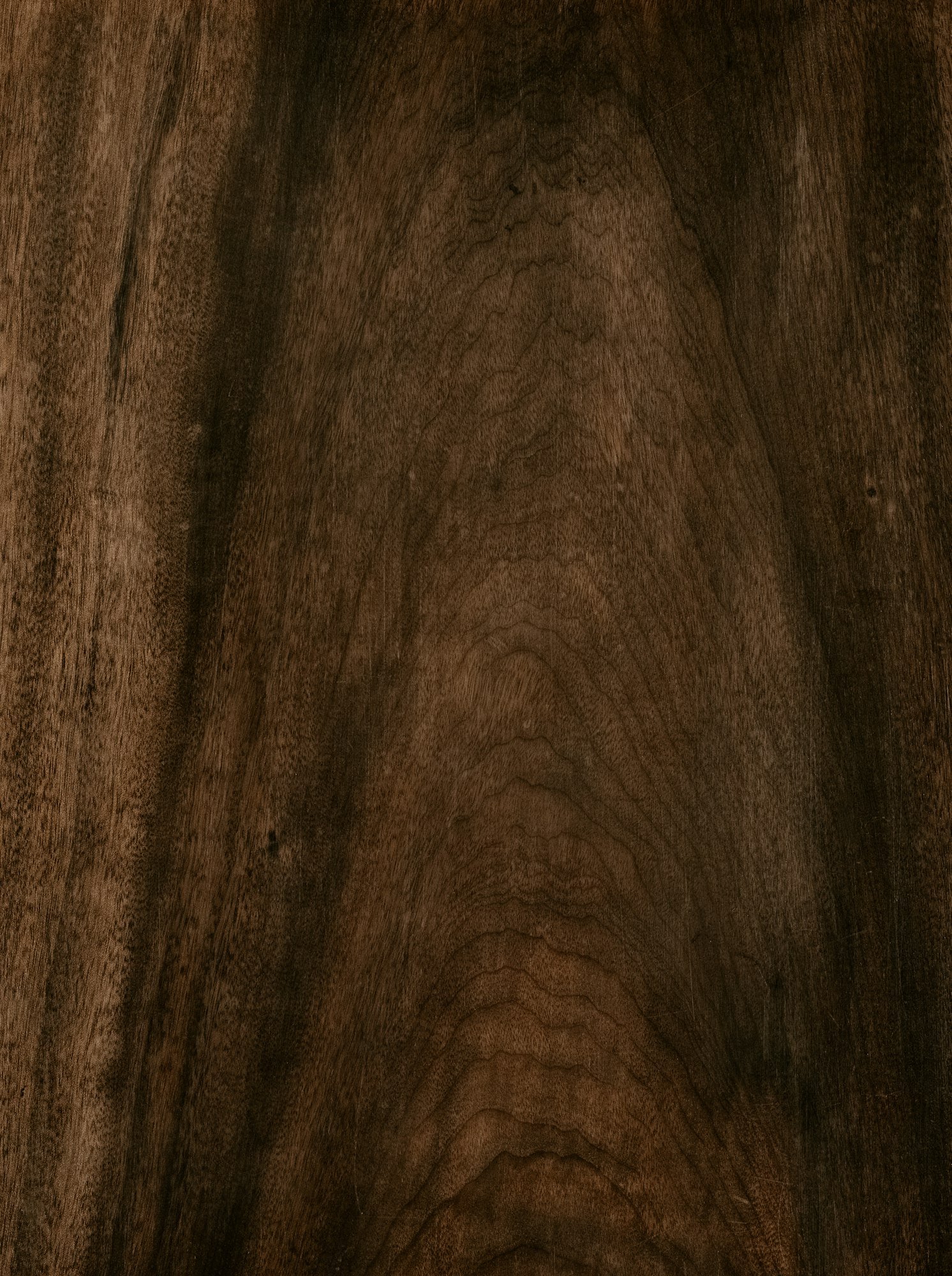
Walnut, for character
Dark, wavy, almost chocolate, walnut gives kitchens and bookcases a depth no other timber has. Rarer and more expensive, we often use it for doors and drawer fronts on an oak carcass.
- Colour: warm brown with lighter streaks
- Best for: kitchen fronts, bookcases, small furniture
- Care: oil or matt varnish, away from direct sunlight
Ash, light and supple
Almost white and very impact-resistant, ash brightens dark rooms and stands up to heavy use: it is excellent for stair treads and wardrobes. It bends easily, which suits handrails.
- Colour: creamy white, straight grain
- Best for: staircases, wardrobes, handrails
- Care: matt varnish, to keep it pale
Larch, the mountain timber
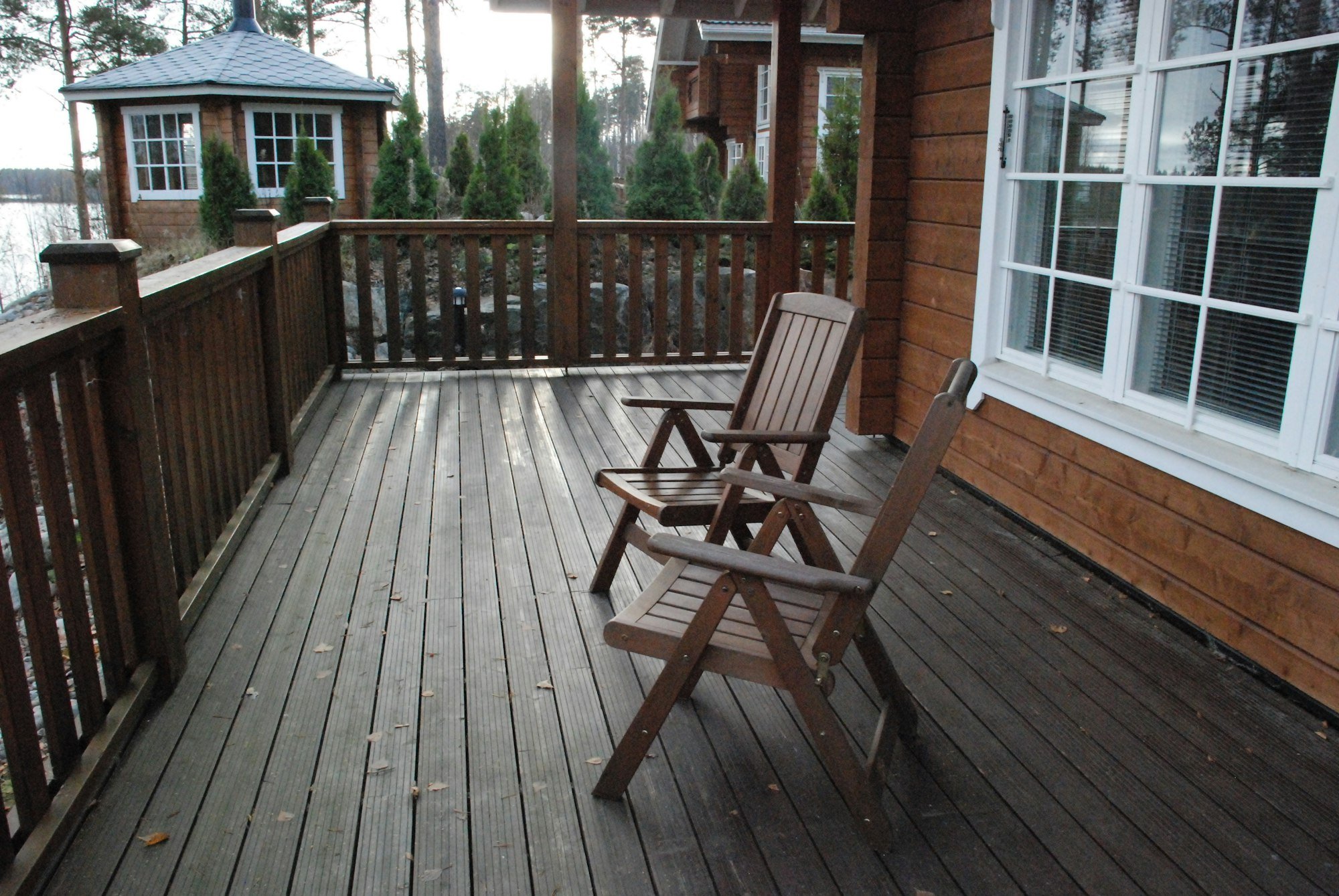
The hardest softwood in Europe, Alpine larch naturally resists rain and snow. For windows, shutters, decking and cladding, it weathers to a handsome silver grey if left untreated.
- Colour: orange, turning grey outdoors
- Best for: decking, shutters, windows, cladding
- Care: none, or a deck oil to keep its colour
The four timbers, side by side
Prices compared with oak, for the same fitted piece.
| OakMost popular | Walnut | Ash | LarchOutdoors | |
|---|---|---|---|---|
| Colour | Blond, then honey | Warm brown | Creamy white | Orange, then grey |
| Hardness | Hard | Medium | Hard | Medium |
| Indoors | Yes | Yes | Yes | Yes |
| Outdoors | Yes | No | No | Yes |
| Staircases | Yes | Yes | Yes | No |
| Price | Benchmark | +35% | −5% | −10% |
Sawmills we know by name
Our oak and ash come from sawmills in the Jura and Burgundy, our larch from the Maurienne valley. We buy rough boards and let them dry at the workshop before working them: well-seasoned timber no longer moves once fitted.
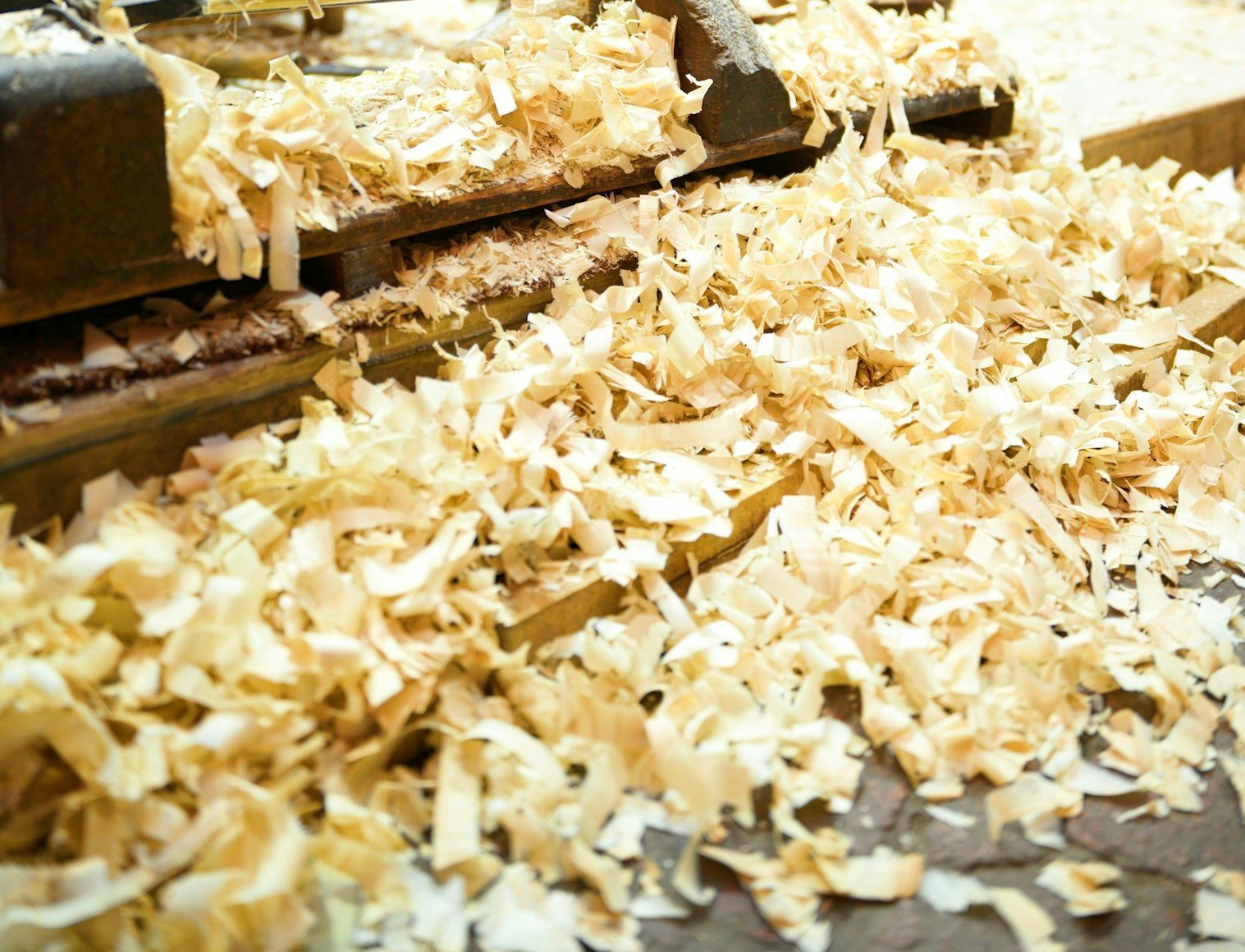
Walnut, which is rarer, comes from fruit trees felled near Grenoble. Offcuts heat the workshop in winter, and the shavings go to a horse breeder down the road.
Oil, varnish and care
Oil or varnish: which should I choose?
Oil keeps the feel of the wood and is easy to repair, but needs looking after. Matt varnish protects better against stains, which suits kitchens and busy staircases.
Does solid wood move?
A little, depending on humidity. That is why we season our boards and why our joints let the wood move without splitting.
Can I see the timbers before choosing?
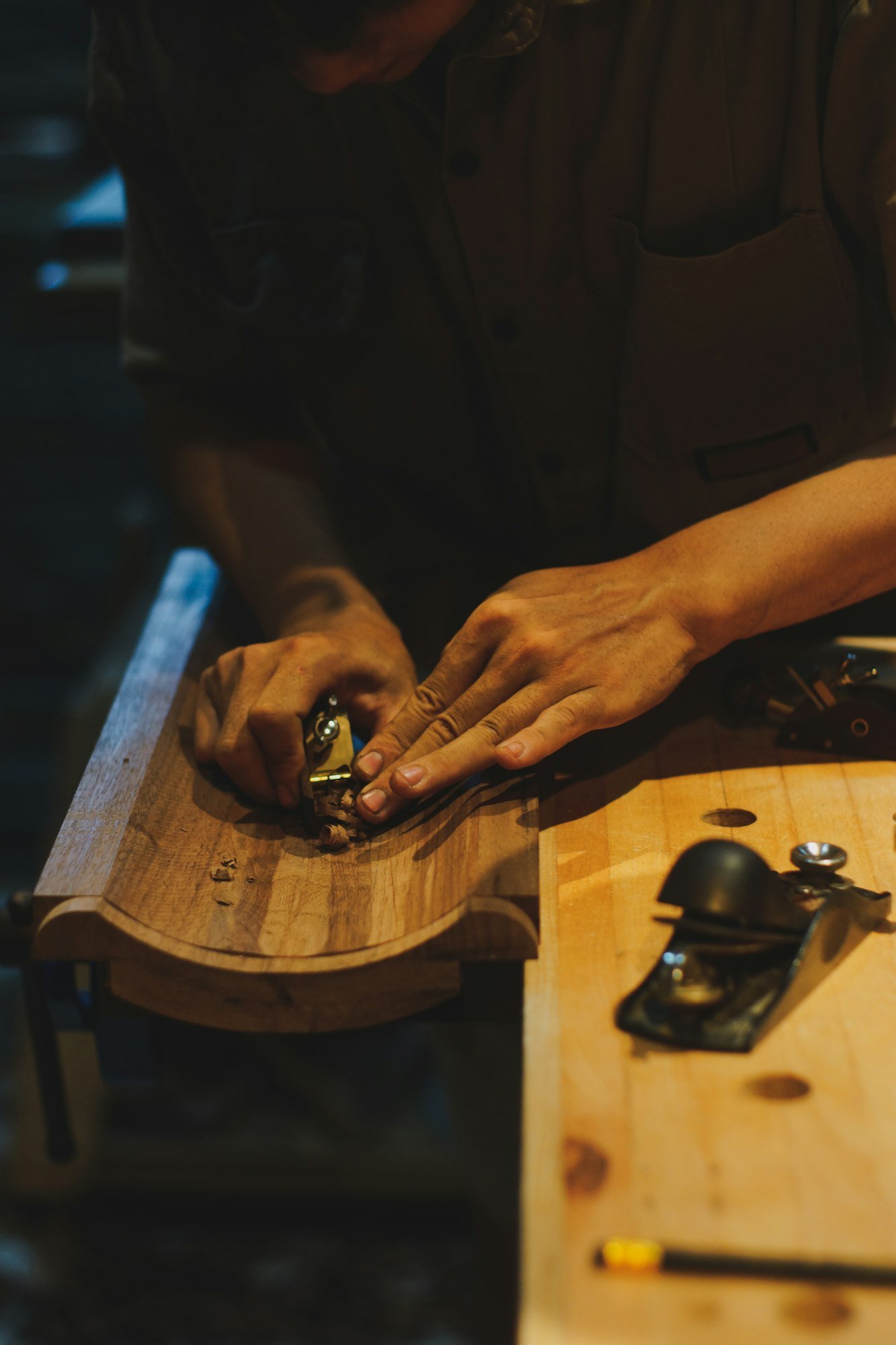
Yes: the sample room at our workshop shows each timber raw, oiled and varnished. We also bring samples to the measuring visit.
Do you work with panels and MDF?
Yes, for carcasses and lacquered fronts. We choose low-emission panels made in Europe.
Want to feel the timbers for yourself?
Book a workshop visit, or ask for samples at the measuring visit.